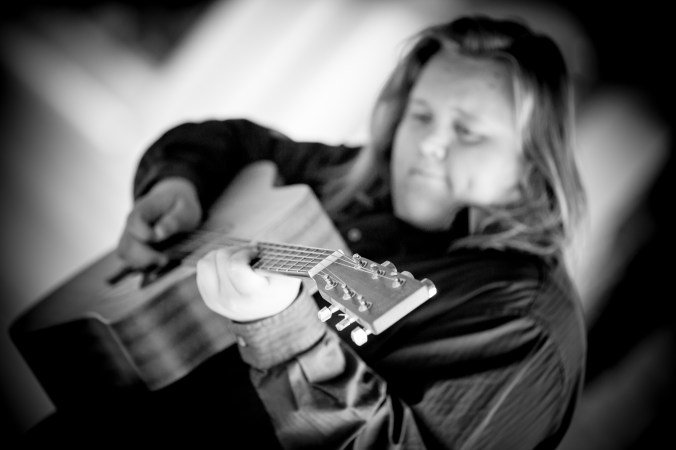
 A life that touches others goes on forever. I want desperately for Riley’s story to be instrumental in changing lives. We that knew him and loved him are forever touched by who he was. I speak and tell his story so others know Riley and his story.
Simply said, a grieving parent doesn’t want their child forgotten. That is natural. We want to talk about them and we don’t want you to be afraid to mention them. I want you to remember my young boy that was going to rule the world some day dressed in a baseball cap, cowboy boots and red cape and the young man who liked to discuss how the world could be a better place to live. He shared his smile with strangers and friends alike. His story is important.
In December of last year, I gave a donation in Riley’s name to Isaiah House Treatment Center, a campus of two facilities totalling 88 beds – a men’s drug addiction treatment program located in a small rural town called Willisburg, Kentucky. I have had the privilege of working with Isaiah House for four months now. What I know about this place is that after my many years of researching drug addiction treatment centers all over the United States, I have never and I mean never, seen a rehabilitation center that covers addiction treatment like this place. They are a non profit organization that operates on a very tight budget to provide the largest amount of comprehensive services possible in order to ensure a lifetime of recovery for the men that come through their doors.
I asked to share Riley’s story with the men. I wanted them to know my son and his story.
As I set up the slide show of Riley and sat down, some of the guys started filing in finding seats. Since we were sitting face to face, waiting for my daughter, Bria and the rest of the men to come into the room, we started talking. I don’t think they knew how much that helped me keep my nerves in check.
It had been awhile since I told Riley’s story. It’s never easy. It’s harder when I haven’t been doing it regularly. Visiting the memories of Riley dying is hard.
My imagination runs wild as I revisit the story. There is a visual picture in my head of the tab on his tongue in the snap chat he sent out. The smile on his face as he wrote what joy was like signing it, “acid”. The final hours of his life filled with terror, the cries for help that weren’t answered, the moments of him standing at the entry way of the front door with a gun under his chin. I don’t know how to tell the story without the details of how I lost my son. I HATE the details. I HATE drugs.
So what do you say to a group of adult men of all ages who know drugs very well, who could have died from drug use, but are still here sitting in front of you alive? I said the same thing I say to the kids in classrooms and school gyms. “You don’t know what you have in your hands. Please live. I want you to live.” I told the men I don’t want your Mom, Dad, grandparents, sisters, brothers, wives and children to feel the pain I feel every day. I relayed the message as not a warning of a first try of a drug, but of the possible consequences of one more use of a drug.
Those consequences happen in overdoses in mass numbers daily across the United States. The heroin epidemic is wiping out a generation. There are new synthetic drugs that are killing our sons and daughters as they hit the streets every time we turn around. There are too many parents that know the grief of losing a child to drug use. There are too many children in foster care because of losing their parents to drug use.
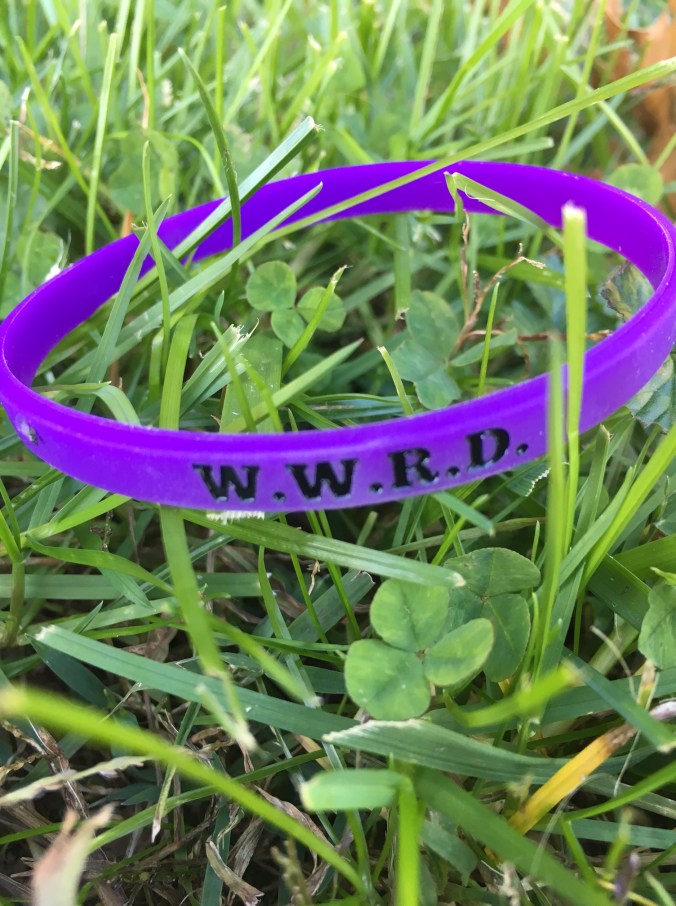
There were tears in the audience that mimicked mine as I spoke. At the end, the men had some kind and introspective comments about what they had heard Bria and I say. Each walked out with a “What Would Riley Do Bracelet” and I had accomplished telling Riley’s story one more time.
From there, they take Riley’s story with them and I will never know how it effected each one, but I know I shared it with the purpose that his story sticks with them.
The game room at Isaiah House is named Riley’s Game Room now. The Game Room has a television, an arcade game, ping-pong table, pool table, gaming system and guitars in it. Riley’s kind of room! It’s a great room to have Riley’s name on it.
Because A life that touches others goes on forever.
I Love You, Riley.
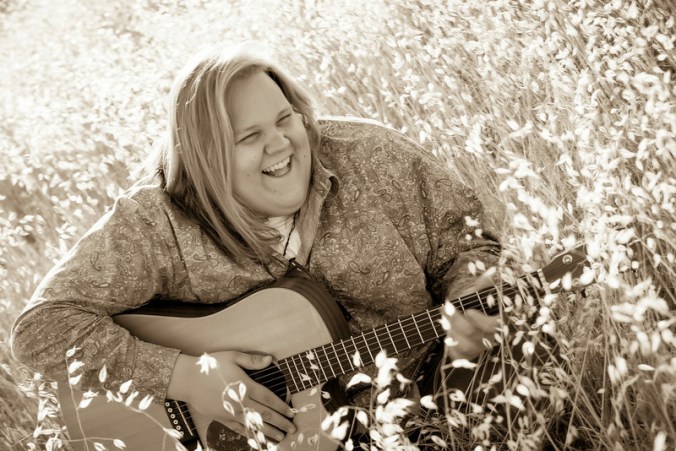 It catches me off guard every time.
 As the requests increase for me to speak and
  I Love You, Riley